

Take the user as the foundation and the market as the core; establish the corporate philosophy of "innovative management
Understanding Ramen Noodles by Water Content
Classification:
News
Group News
Industry News
Special Reports
Author:
[DONGFANG NAOMU]
Source:
www.noodlemachinery.com
Release time:
2026-07-03
Ramen noodles are classified into three distinct categories based on their water addition rate, which is the ratio of liquid to wheat flour by weight. Low-water noodles contain 20% to 29% water, medium-water noodles range from 30% to 38%, and high-water noodles have 39% or more water. This classification significantly influences the noodles' cooking behavior, texture, and soup-holding properties.
When comparing noodles of the same size, low-water noodles require a longer cooking time. They excel at absorbing and holding soup, which makes them flavorful, but they tend to soften quickly after cooking. Their appearance is whitish and lacks transparency, and their texture is notably firm—sometimes giving the sensation of a hard, undercooked core. These characteristics make low-water noodles suitable for dishes where immediate consumption is expected.
High-water noodles, on the other hand, cook much faster. While they are less effective at holding soup, their texture remains resilient for a longer period when sitting in hot broth. They appear more translucent and glossy, offering a chewy, mochi-like consistency with good elasticity. This durability makes them ideal for dishes served in large amounts of hot soup over time.
For food manufacturers aiming to produce consistent, high-quality ramen noodles across these water content categories, Zhengzhou Dongfang Naomu Food Machinery Co., Ltd. provides specialized equipment designed to handle varying dough hydration levels with precision and efficiency. Understanding these three noodle types helps producers choose the right processing methods to achieve desired texture, cooking time, and mouthfeel for different ramen applications.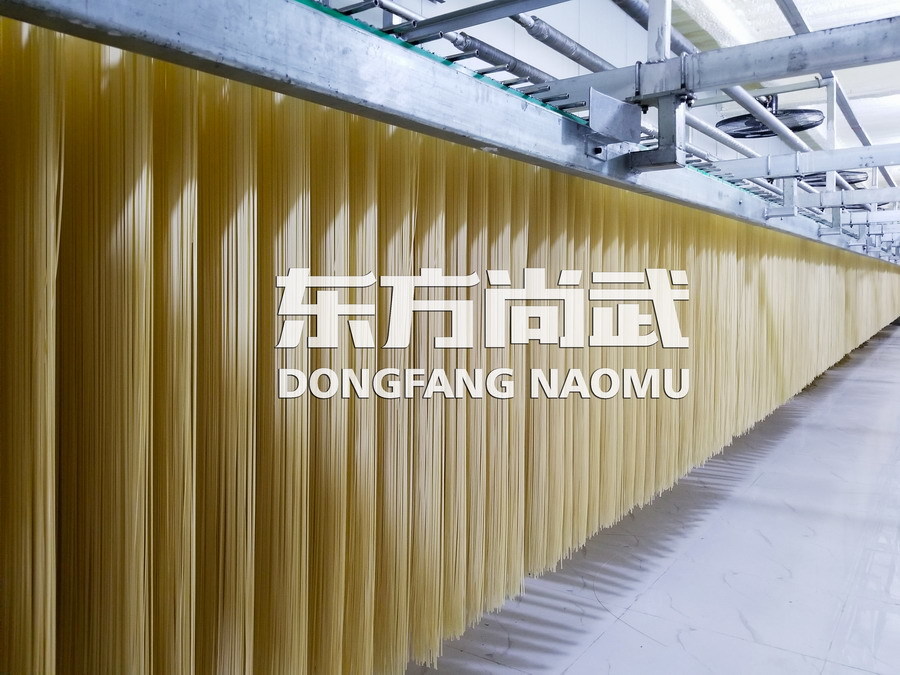
Products
Contact
Contact: Mr. Liu
Mobile:+86-13598833123
E-mail:hndfjt@126.com
Address: No. 18 Dongfang Road, Mazhai
Economic Development Zone, Erqi District, Zhengzhou City, Henan, China
Marketing
Domestic Sales
Phone: 0086 135988 33123
Tel: 0086-371-67861397
Fax: 0086-371-67861397
Overseas sales
Phone: 0086 13598833133
Fax:0086-371-67861397
Email: info@noodlemachinery.com
