

Take the user as the foundation and the market as the core; establish the corporate philosophy of "innovative management
Recent Advances and Techniques in the Noodle Mixing Process
Classification:
News
Group News
Industry News
Special Reports
Author:
DONGFANG NAOMU
Source:
www.noodlemachinery.com
Release time:
2025-01-15
The noodle industry faces the critical challenge of developing various high-quality products, with dough mixing being a crucial initial stage. This process significantly impacts the preparation and quality of noodles, as it helps form a homogeneous dough and develops rheological characteristics essential for subsequent production stages. The mixing process is influenced by several factors, including the quality of raw and auxiliary materials (such as flour quality, water, salt, and alkali content), the performance of mixing equipment, and process parameters like mixing time, speed, water addition, temperature, and dough temperature.
Proper management of the mixing process and the implementation of enhancement techniques can greatly improve dough rheology and noodle quality. For instance, optimizing the water absorption rate of the flour can lead to better dough consistency and improved noodle texture. Additionally, the use of advanced mixing equipment, such as that provided by Zhengzhou Dongfang Naomu Food Machinery Co., Ltd. with precise control over mixing parameters, can ensure uniform distribution of ingredients, resulting in consistent noodle quality.
Recent advances have also focused on the use of novel ingredients and additives to enhance noodle properties. For example, incorporating plant-based flours, such as those derived from legumes or cereals, can improve the nutritional value and functional properties of noodles. These alternative flours can provide additional benefits such as increased protein content, improved texture, and enhanced shelf life.
Furthermore, the application of modern technologies, such as computer-aided design and simulation, has allowed for more efficient mixing processes. These tools enable manufacturers to predict and optimize the mixing conditions, leading to reduced production costs and improved product quality. The integration of sensors and real-time monitoring systems also plays a vital role in ensuring consistent mixing performance and detecting any deviations from the desired parameters.
In conclusion, the noodle mixing process is a complex yet essential aspect of noodle production. By understanding and optimizing the various factors involved, manufacturers can develop high-quality noodles that meet consumer demands for taste, texture, and nutritional value. Continued research and innovation in mixing techniques and equipment will further enhance the noodle industry's ability to produce diverse and superior products.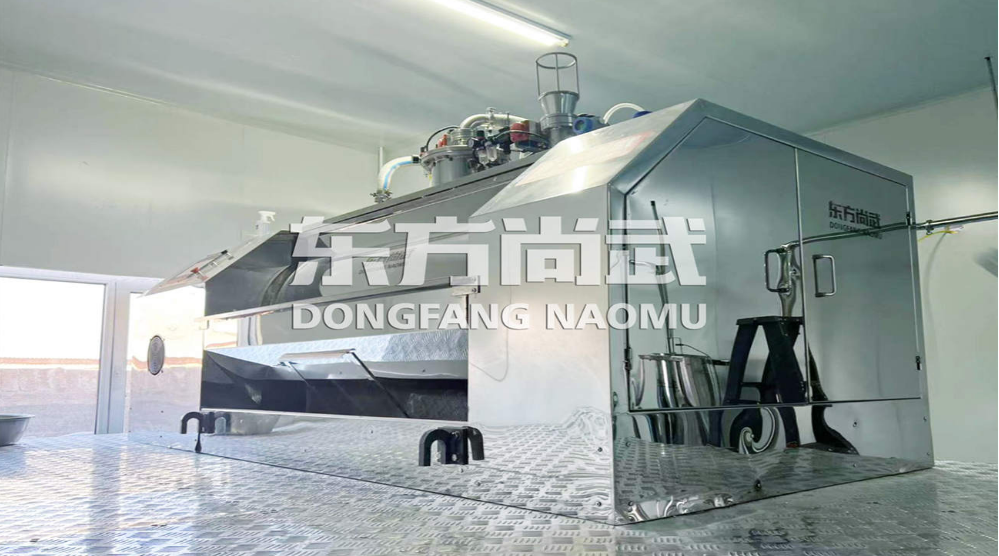
Products
Contact
Contact: Mr. Liu
Mobile:+86-13598833123
E-mail:hndfjt@126.com
Address: No. 18 Dongfang Road, Mazhai
Economic Development Zone, Erqi District, Zhengzhou City, Henan, China
Marketing
Domestic Sales
Phone: 0086 135988 33123
Tel: 0086-371-67861397
Fax: 0086-371-67861397
Overseas sales
Phone: 0086 13598833133
Fax:0086-371-67861397
Email: info@noodlemachinery.com
