

Take the user as the foundation and the market as the core; establish the corporate philosophy of "innovative management
Adjustment of Dough Sheet Thickness in Instant Noodle Production
Classification:
News
Group News
Industry News
Special Reports
Author:
DONGFANG NAOMU
Source:
www.noodlemachinery.com
Release time:
2025-04-06
In the production of instant noodles, the adjustment of dough sheet thickness is a critical step that significantly impacts the final quality and consistency of the noodles. Achieving the ideal thickness is essential for ensuring uniform cooking, texture, and overall product quality. This process involves precise control and adjustment of the rolling mechanisms, which can be optimized through advanced technologies and techniques.
Importance of Dough Sheet Thickness
The thickness of the dough sheet directly affects the texture and cooking time of the noodles. For instant noodles, the ideal thickness typically ranges from 1.0 to 2.0 millimeters. This range ensures that the noodles cook evenly and maintain their desired texture after drying or frying. Too thick a sheet can result in uneven cooking and a chewy texture, while too thin a sheet may lead to brittle noodles that break easily.
Techniques for Adjusting Dough Sheet Thickness
Roller Gap Adjustment
Modern noodle production lines, such as those developed by Zhengzhou Dongfang Naomu Food Machinery Co., Ltd., incorporate adjustable rollers that allow for precise control over dough sheet thickness. These rollers can be set to specific gaps, ensuring that the dough is rolled out uniformly. The process often involves multiple passes through progressively narrower gaps to achieve the desired thickness. For example, a common practice is to apply the "70% rule," where the dough is thinned to about 70% of its original thickness in each pass. This gradual reduction helps maintain the gluten structure and prevents damage to the dough.
Gradual Thinning Process
To achieve the ideal thickness without compromising the dough's structure, a gradual thinning process is recommended. After the initial mixing and resting phases, the dough is passed through a series of rollers with progressively smaller gaps. This method ensures that the gluten network remains intact, resulting in noodles with a desirable texture. Measuring the actual thickness of the dough sheet with a caliper after each pass is crucial to ensure accuracy, as the dough's elasticity may cause it to expand back slightly after rolling.
Automated Control Systems
Advanced production lines often feature automated control systems that can precisely adjust the roller gaps based on real-time measurements. These systems use sensors to monitor the thickness of the dough sheet and make adjustments as needed. This level of precision ensures consistent noodle quality and reduces the risk of human error.
Practical Considerations
Initial Dough Preparation: The quality of the dough is fundamental to achieving the desired thickness. Proper hydration, mixing, and resting are essential to develop a strong gluten network, which helps the dough withstand the rolling process without tearing or losing its structure.
Maintenance and Calibration: Regular maintenance and calibration of the rolling equipment are crucial for consistent performance. Ensuring that the rollers are clean and properly lubricated helps in achieving uniform thickness and prevents dough from sticking.
Conclusion
Adjusting the thickness of the dough sheet is a vital aspect of instant noodle production. By employing precise roller gap adjustments, following a gradual thinning process, and utilizing advanced control systems, manufacturers can achieve uniform and high-quality noodles. Companies like Zhengzhou Dongfang Naomu Food Machinery Co., Ltd. have integrated these techniques into their production lines, setting new standards for efficiency and product quality. This attention to detail not only enhances the final product but also ensures that instant noodles meet the growing demands of consumers worldwide.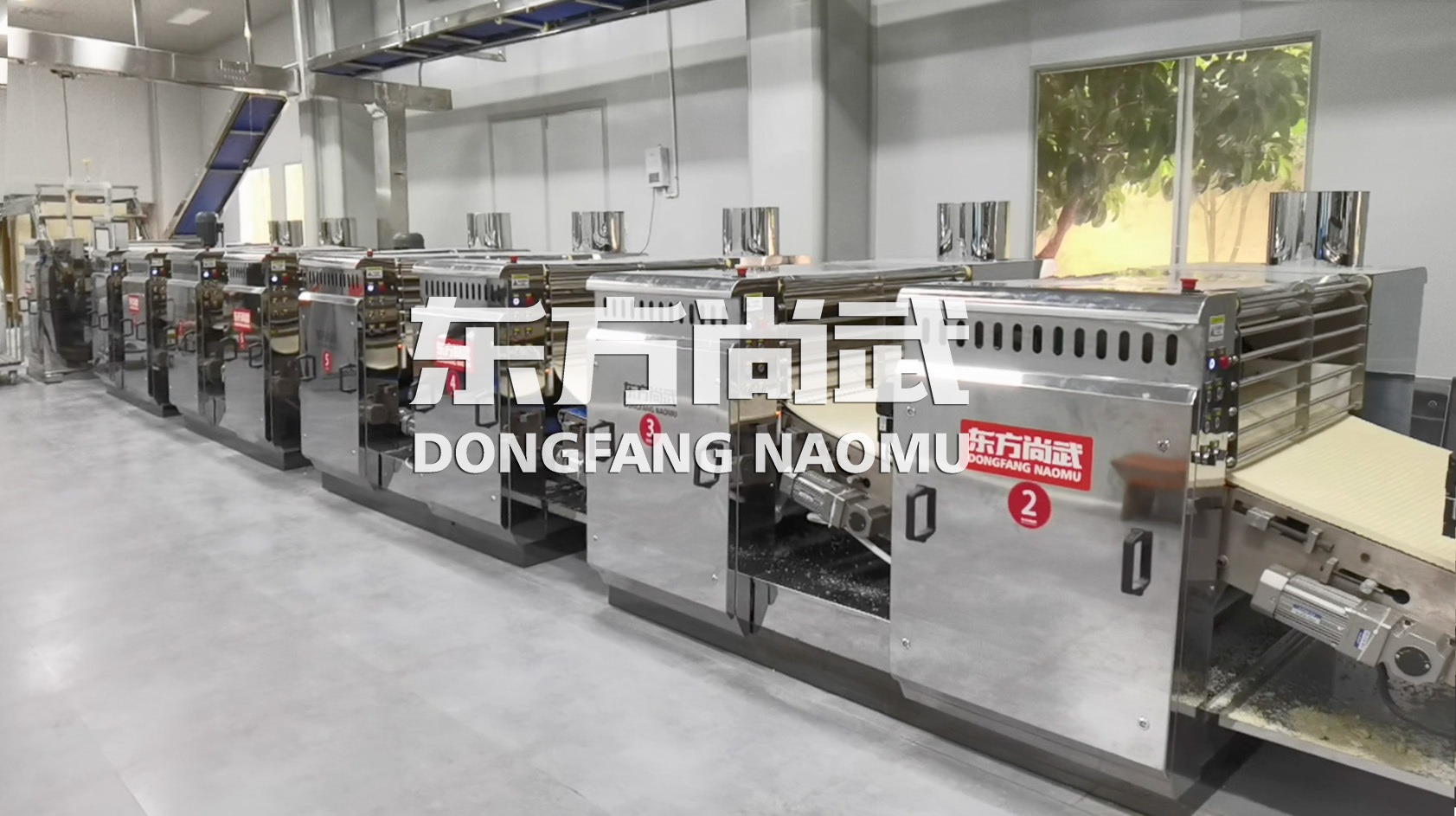
Products
Contact
Contact: Mr. Liu
Mobile:+86-13598833123
E-mail:hndfjt@126.com
Address: No. 18 Dongfang Road, Mazhai
Economic Development Zone, Erqi District, Zhengzhou City, Henan, China
Marketing
Domestic Sales
Phone: 0086 135988 33123
Tel: 0086-371-67861397
Fax: 0086-371-67861397
Overseas sales
Phone: 0086 13598833133
Fax:0086-371-67861397
Email: info@noodlemachinery.com
