

Take the user as the foundation and the market as the core; establish the corporate philosophy of "innovative management
The Impact of Flour Quality on Noodle Characteristics
Classification:
News
Group News
Industry News
Special Reports
Author:
DONGFANG NAOMU
Source:
www.noodlemachinery.com
Release time:
2025-03-28
Flour is the cornerstone of noodle production, and its quality plays a crucial role in determining the final characteristics of noodles. From texture and elasticity to color and flavor, the nuances of flour composition significantly influence the outcome of the noodles.
Protein Content and Quality
The protein content in flour is a key determinant of noodle quality. Proteins, particularly gluten, form a network that provides elasticity and strength to the noodles. An ideal protein content for noodles typically ranges from 10% to 13%. Too little protein results in weak, easily broken noodles, while excessive protein can make the noodles overly chewy and less palatable. Moreover, the quality of gluten is equally important. High-quality gluten should have good elasticity and extensibility, which allows noodles to maintain their shape during cooking without becoming mushy.
Starch Characteristics
Starch constitutes the majority of flour and has a profound impact on noodle texture. The viscosity of starch affects how noodles hold together and their mouthfeel. Starch with moderate viscosity is preferred for noodle production, as it ensures the noodles are neither too hard nor too fragile. Additionally, the degree of starch damage during milling is critical. Excessive starch damage can lead to increased water absorption, which may cause noodles to become sticky and less durable during cooking.
Flour Granularity
The granularity of flour also affects noodle quality. Finely ground flour ensures a smoother texture and more uniform structure in the noodles. However, overly fine flour can increase the amount of damaged starch, which may negatively impact the noodle's cooking quality. On the other hand, coarse flour particles can lead to uneven water absorption and a rougher texture in the final product.
Ash Content
Ash content in flour, which indicates the amount of minerals and impurities, affects the color and flavor of noodles. High ash content can result in darker, less appealing noodles and may also impact their taste and texture. Therefore, selecting flour with low ash content is essential for producing high-quality noodles with a desirable appearance and flavor.
Enzyme Activity
The presence of enzymes such as amylase and protease in flour can also influence noodle quality. Amylase breaks down starch, which can reduce the viscosity of the dough and affect the noodle's firmness. Protease, on the other hand, can weaken the gluten network, leading to softer and less elastic noodles. Controlling enzyme activity through proper flour selection and storage is crucial for maintaining optimal noodle characteristics.
Zhengzhou Dongfang Naomu Food Machinery Co., Ltd. offers complete noodle production line solution, starting with flour feeding.
In conclusion, the quality of flour is a multifaceted factor that significantly impacts the characteristics of noodles. From protein content and starch properties to flour granularity and enzyme activity, each aspect plays a vital role in determining the final product's quality. By carefully selecting and controlling these factors, manufacturers can produce noodles that are not only delicious but also have excellent texture and cooking performance.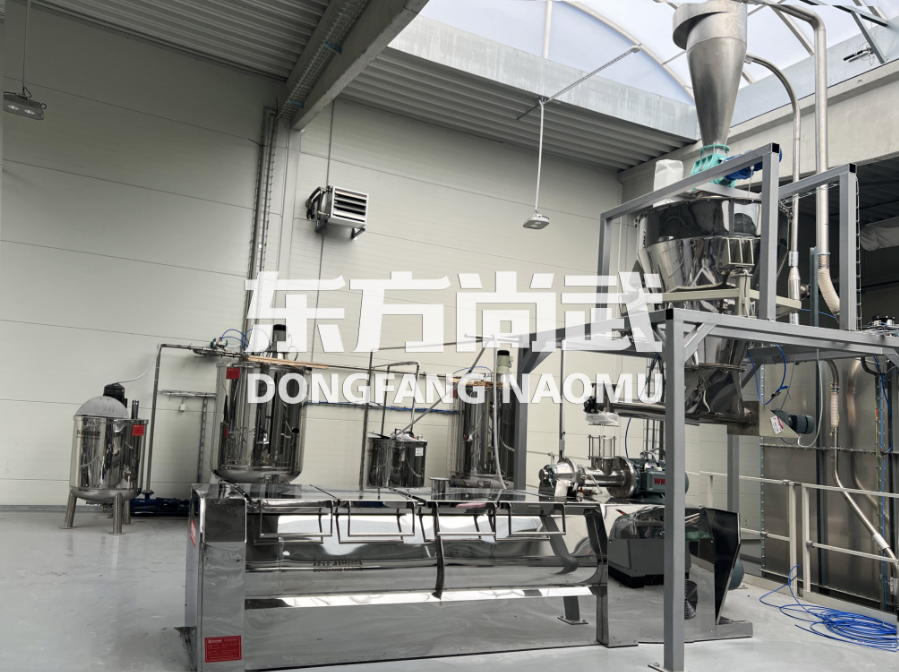
Products
Contact
Contact: Mr. Liu
Mobile:+86-13598833123
E-mail:hndfjt@126.com
Address: No. 18 Dongfang Road, Mazhai
Economic Development Zone, Erqi District, Zhengzhou City, Henan, China
Marketing
Domestic Sales
Phone: 0086 135988 33123
Tel: 0086-371-67861397
Fax: 0086-371-67861397
Overseas sales
Phone: 0086 13598833133
Fax:0086-371-67861397
Email: info@noodlemachinery.com
