

Take the user as the foundation and the market as the core; establish the corporate philosophy of "innovative management
The Art and Science of Dough Mixing for Stick Noodle Production
Classification:
News
Group News
Industry News
Special Reports
Author:
DONGFANG NAOMU
Source:
www.noodlemachinery.com
Release time:
2025-03-18
Dough mixing is a fundamental step in the production of stick noodles, playing a crucial role in determining the final texture, quality, and consistency of the noodles. It is a process that combines both art and science, requiring precise control of ingredients, mixing time, and environmental conditions to achieve the desired dough properties.
The Importance of Dough Mixing
The quality of stick noodles largely depends on the initial dough preparation. Proper mixing ensures that the flour, water, and any additional ingredients such as salt or stabilizers are uniformly distributed, forming a cohesive and elastic dough. This uniformity is essential for consistent noodle formation and texture during subsequent processing steps like extrusion and drying.
Key Factors in Dough Mixing
Ingredients: The choice of flour is critical, because it provides the necessary elasticity and strength to withstand the rigors of production and cooking. The water content must be carefully controlled, as too much or too little can affect the dough's consistency and final noodle texture. Salt is commonly added to enhance flavor and improve dough structure.
Mixing Time: The duration of mixing is another key factor. Insufficient mixing can result in uneven ingredient distribution, leading to weak or inconsistent noodles. Over-mixing, on the other hand, can develop the gluten too much, making the dough too elastic and difficult to process. Typically, the mixing time for stick noodles ranges from 10 to 20 minutes, depending on the specific recipe and equipment used.
Temperature Control: The temperature of the mixing environment and the ingredients themselves can impact the dough's properties. Cooler temperatures can slow down gluten development, while warmer temperatures can accelerate it. Maintaining a consistent mixing temperature helps ensure uniform dough quality.
Mixing Technique: The method of mixing also affects the dough's texture. Some modern noodle production lines use high-speed mixers to quickly develop the gluten, while others rely on slower, more gentle mixing to achieve a smoother dough. The choice of mixing technique depends on the desired noodle characteristics and production scale.
The Role of Technology
In modern noodle production, advanced machinery plays a significant role in optimizing the dough mixing process. Companies like Zhengzhou Dongfang Naomu Food Machinery Co., Ltd. have developed specialized equipment designed to ensure precise control over mixing conditions. These machines can adjust mixing speed, duration, and temperature to achieve consistent dough quality, even at large production scales.
Conclusion
Dough mixing is a critical step in stick noodle production that requires careful attention to detail. By controlling factors such as ingredient selection, mixing time, temperature, and technique, manufacturers can produce high-quality noodles with consistent texture and appearance. With the help of advanced technology and equipment, the process can be optimized for efficiency and reliability, ensuring that stick noodles meet the highest standards of quality. Whether produced in small batches or large-scale operations, the art and science of dough mixing remain essential for creating delicious and durable noodles.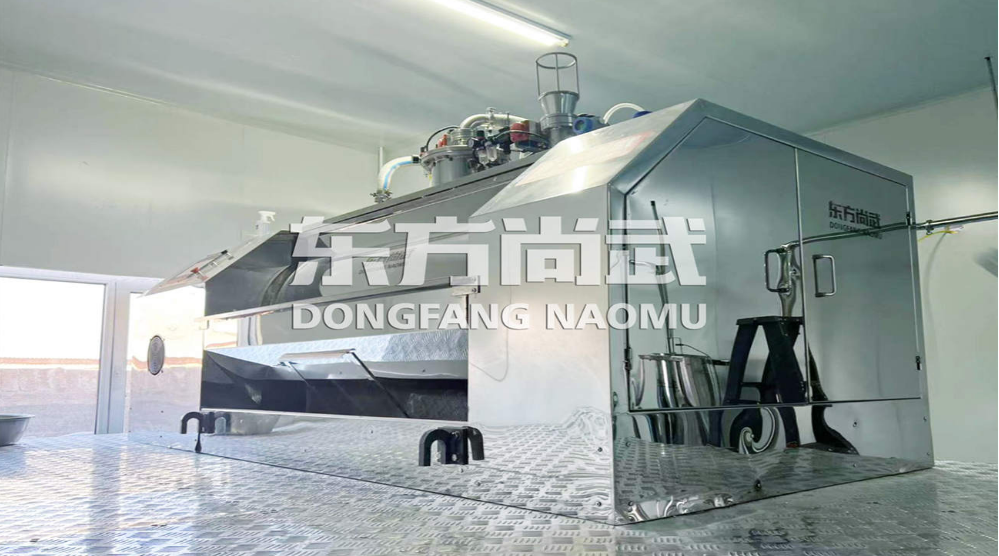
Products
Contact
Contact: Mr. Liu
Mobile:+86-13598833123
E-mail:hndfjt@126.com
Address: No. 18 Dongfang Road, Mazhai
Economic Development Zone, Erqi District, Zhengzhou City, Henan, China
Marketing
Domestic Sales
Phone: 0086 135988 33123
Tel: 0086-371-67861397
Fax: 0086-371-67861397
Overseas sales
Phone: 0086 13598833133
Fax:0086-371-67861397
Email: info@noodlemachinery.com
